

About Seromadluk
Variance analysis taught with real budget data
Seromadluk brings together practitioners and learners to work through budget variance analysis without abstraction. Every seminar runs on actual financial scenarios, so participants leave with methods they can apply the next workday.
How Seromadluk came together
Founded in 2015, Seromadluk started when a group of finance educators noticed that most variance analysis training covered the formulas without teaching judgment. Participants could compute a price variance but struggled to explain it in front of a budget committee.
Seminars at Seromadluk are designed around that gap. Sessions combine worked examples, structured peer discussion, and live data interpretation. Participants are asked to defend their analysis, not just produce it — which is where real understanding forms.
Delivery happens entirely online. Students join from Canada, Europe, and Southeast Asia because the content is built for the work, not a specific classroom.
Countries reached
38
Participants joined from across six continents
Seminar formats
6
From two-hour workshops to full multi-week intensives
Average group size
14
Small enough for genuine discussion
How a seminar is structured
Each session follows a defined sequence so participants always know where they are in the analysis and what the next decision point requires.
01
Data framing
Participants receive a real budget dataset and identify which variances are material
02
Root cause work
Small groups trace each variance to operational, market, or planning factors
03
Peer challenge
Groups present interpretations and field questions from the room
04
Reporting output
Each participant drafts a variance explanation suitable for a management report


People behind the seminars
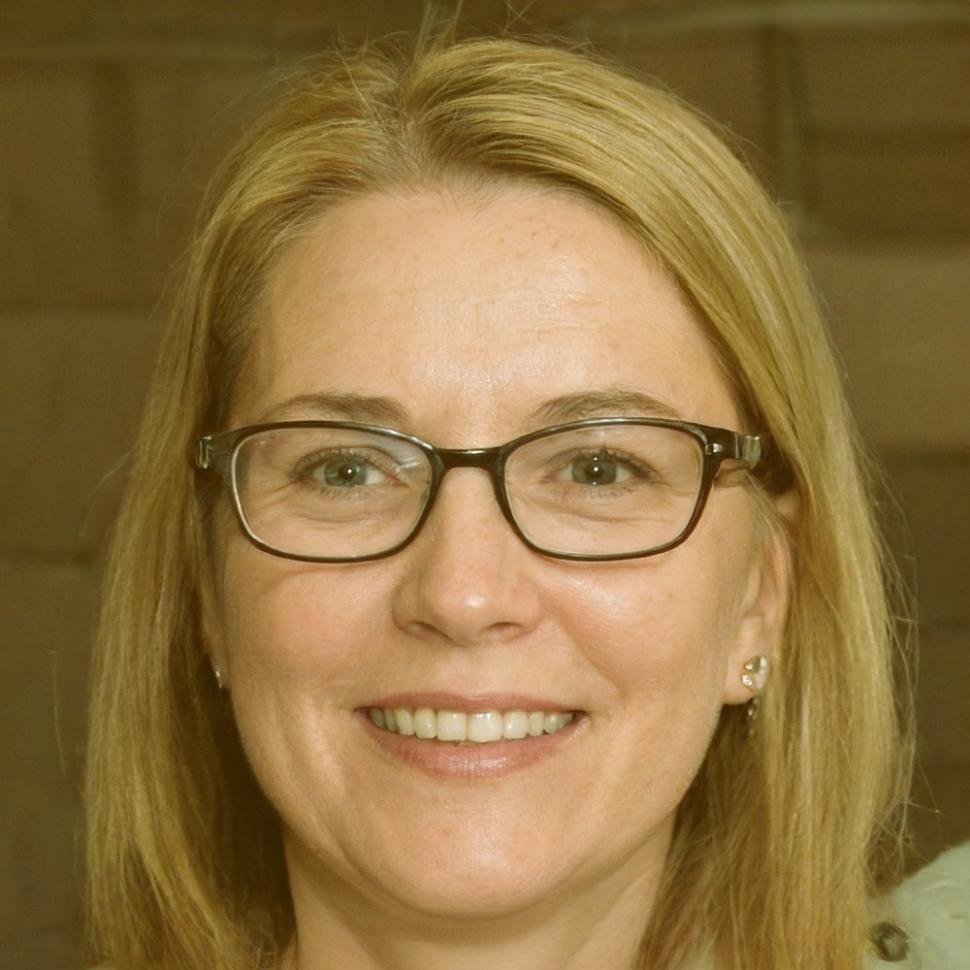
Mireille Audet
Lead Facilitator
Mireille spent twelve years as a financial controller before moving into education. She runs the core variance analysis intensives and writes most of the dataset scenarios used in seminars.

Nkechi Obafemi
Programme Coordinator
Nkechi manages scheduling, participant onboarding, and the technical delivery of online sessions. She makes sure the logistics stay invisible so learning stays central.
What guides how we work
-
Specificity:
Every exercise uses a named scenario with defined constraints — no generic percentage problems.
-
Discussion:
Analysis only sharpens when it meets resistance. Peer challenge is built into every session by design.
-
Pacing:
Seminars move at the rate the group needs, not a fixed slide count. Facilitators hold time for confusion.
-
Accessibility:
Fully online delivery means a participant in Montréal and one in Kuala Lumpur can work through the same data together.